If you plan outdoor parties long enough, you eventually meet the forecast that refuses to cooperate. The guest list is set, the cake order is in, and you’ve promised an inflatable slide rental that the kids have been counting down to for weeks. Then the radar fills with green and yellow. A rain-proof plan is not about hoping the storm dodges you. It’s about setting up a party that stays safe and fun if the drizzle lasts all afternoon.
I’ve run events through mist, showers, and one memorable day where the sun and rain took turns every 15 minutes. The parties that feel effortless under gray skies share a few patterns: sensible layout, clear safety rules, flexible gear choices, and vendors who know the difference between a sprinkle and a shut-down. If you map those pieces beforehand, your moonwalk rental and carnival games can still deliver a memorable day, and no one will be bailing water from the bounce castle.
What rain-safe actually means for inflatables
Inflatables love sunshine. They tolerate overcast skies and light sprinkles. When rain turns steady or wind picks up, the rules tighten for good reasons. Vinyl gets slick, cords and blowers need protection, and visibility drops. The threshold for “we can keep going” depends on what you’ve rented and how your vendor maintains their gear.
A bounce house rental can operate in light rain, provided the entrance step and interior are kept dry enough to avoid a slip zone. On the other hand, a water slide rental or combo bounce house with a wet slide is meant for water but not for thunderstorms or high winds. People confuse wet with weatherproof. There’s a difference. The slide is designed for controlled water on a surface with grip, not heavy downpours that flood landings or electrical hazards. When a vendor says they pause operation for winds around 15 to 20 miles per hour, that’s not a suggestion. Big inflatables become big sails.
What you want from your vendor is a clear, written weather policy. Ask what their call is for rain, wind, and lightning, and how they handle rescheduling. If they answer in specifics instead of “we’ll see,” you are in good hands.
Pick the right inflatable for a forecast that might turn
Some inflatables ride out weather better than others. If your date falls during a rainy season, lean toward units with built-in features that help you pivot.
Classic jumper rentals with covered roofs shed a light drizzle well and keep the play area from turning into a slip rink. Many modern bounce houses include vented tops that give shade and reduce heat buildup, yet still keep light rain off the floor. If your heart is set on an inflatable slide rental, consider a model that can run dry or wet. A dry slide in a drizzle is not safe, but a true water slide with proper drainage can pivot to a wet setup early if conditions turn marginal, and kids won’t care whether the sprinklers or the clouds did the wetting. Just don’t run water during an electrical storm.
Obstacle course rental units are crowd-pleasers for mixed ages, but they include climbs, tunnels, and multiple transitions. In damp conditions, that complexity requires more adult supervision and more attention to drying contact points. If you book an obstacle course, make sure it uses non-slip steps and handholds, and ask the vendor how they manage drying and rotation during wet spells.
For toddlers, a small bounce castle with a covered roof is often the safer play than a sprawling combo bounce house. The less complicated the path, the easier it is to maintain footing when humidity rises and surfaces get tacky.
Ground rules for safety when the clouds roll in
You cannot make rain disappear, but you can manage three things that cause most weather-related issues with inflatables: traction, visibility, and power protection.
Traction is about footwear, wet surfaces, and crowding. Bare feet grip better than socks in a bounce house, but no one should be barefoot if temperatures are cold or surfaces are chilly from rain, so plan for a dry entry mat and frequent towel swipes. Rotate smaller groups of kids, 4 to 6 at a time for mid-sized units, and drop that number if the surface gets slick. Keep the age and size mix consistent within each rotation to reduce collisions.
Visibility dips with rain, and kids play faster when they are excited. Put the most engaged adult within six feet of the entrance. Not on the porch, not behind a window. Right there, eyes on the door flap or slide ladder. In drizzle, reaction time matters more than usual. If you have two inflatables, assign two station captains who know the pause signal and enforce it.
Power protection sits at the core of rain-proof planning. Blowers must stay dry. Extension cords should be outdoor-rated, off the ground where possible, and routed away from foot traffic. Ask your vendor for blower rain covers or canopies. These aren’t fashion accessories. They push the threshold from “shut it down at the first sprinkle” to “we can ride out a passing shower,” without risking a blowout or tripped breaker.
Layout that works when the weather turns
The best rain plans start with the site map. When I scout a yard, I look for the highest, flattest section that drains well. In a drizzle, the lowest corner of a lawn turns into a sponge. Set your inflatable rentals on a firm surface with a slight crown so water moves away from seams and anchor points. If the only flat area is near a downspout, reroute that downspout for the day with a temporary extension so you don’t feed a river directly under the bounce house.
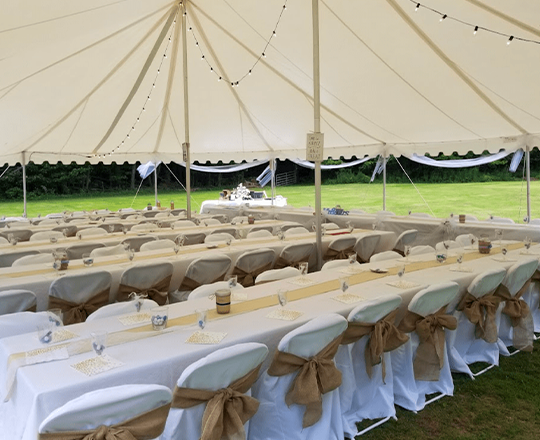
Shade structures matter. A 10-by-20 tent is a party staple, but most folks place it for the guests, then leave the blower to fend for itself. If you can, give the blower its own small canopy or a secure rain hood. If space is tight, position the tent so at least one side shields the blower and the extension cord connections. Run cords along fence lines or garden edges and tape intersections to the ground with outdoor tape. Avoid daisy-chaining three or four extensions to reach the outlet. If you need more length, ask for a proper gauge extension from the rental company.
Entrance and exit zones need special attention. Put a rubber-backed mat at the entrance and a towel station nearby. If you only have one mat, put it at the exit side of a slide to catch the first slippery steps. A small bale of straw, opened and patted down, can give temporary traction on muck, but it’s messy. I prefer a stack of old bath towels that you don’t mind sacrificing, plus one silicone squeegee to move water off the vinyl quickly.
Communication with your vendor that saves the day
Good vendors are your co-pilots when weather threatens. Once you’ve booked, send them a photo or simple sketch of your backyard layout at least a week before the event. Note the surface type, hose bibs, outlets, and any tree canopies. Ask what they bring for rain: blower covers, sandbags in addition to stakes, extra tarps, and safe cord runs. If they stare blankly at the word “GFCI,” consider a different provider. Ground fault protection is non-negotiable wherever water and electricity coexist.
Clarify your go/no-go timeline. Many companies decide on morning-of delivery for afternoon parties. Agree on a window for a weather check, and decide what happens if the radar shows a cell sitting on your block. Some vendors offer a weather waiver or allow a one-time reschedule if heavy rain or lightning appears. You’re looking for flexibility paired with firm safety lines, not a promise that “we’ll make it work no matter what.” No one should inflate during an active thunderstorm.
Choosing games and activities that thrive in light rain
This is where a party can either stall or shine. If the inflatable needs a pause, you want activities that snap into place without drama, keep kids moving, and work under a canopy. Carnival games excel here because they can be low-tech and quick to reset. Ring toss, plinko boards with acrylic fronts, or beanbag tosses don’t mind a little humidity. Avoid paper targets and anything with flimsy cardboard.
Face painting and glitter tattoos, surprisingly, can fare well under a tent if you use water-resistant products and keep towels handy. Balloon twisting still works, although latex gets tacky in damp air; a little talc on the twister’s hands helps. For toddlers, a foam block build zone under a canopy keeps them busy while older kids cycle through the inflatable.
If you booked a water slide rental and the temperature holds in a comfortable range, drizzly weather can be a feature not a bug. Kids already plan to get wet, so a light sprinkle adds atmosphere. The key is avoiding wind gusts and thunder. Keep towels near the exit, monitor the landing pool depth to avoid overflow, and rotate riders to maintain order.
Food and the rainy day pivot
Rain changes how people eat at a party. Guests cluster under cover, and food lines stretch longer. Keep food service compact and protected. Chafers run fine under a tent, but keep open flames away from vinyl walls. If you grill, position the grill just outside the tent’s perimeter with the opening facing inward, so you can feed trays quickly without smoke building up under the roof.
Cold foods need more discipline in the rain because lids stay off longer. Use smaller, refillable containers rather than one big bowl that sits and warms. Put a clean towel and a woven mat at the drink station so people can brace cups without slipping. If you planned popsicles, pre-open wrappers at the kitchen counter and refreeze trays. In a downpour, no one wants to peel plastic with wet fingers.
Also plan a dry snack that keeps the party going at the exact moment you call a safety pause on the inflatable. A tray of cut fruit, pretzels, and mini sandwiches near your supervision station helps you redirect energy with a quick, “Grab a snack while we towel off the slide.”
Anchor, stake, and weight for the one thing you cannot control
Anchoring matters every day, but in rain it becomes absolute. Soft ground loosens stakes. Ask your vendor to bring longer stakes if the soil is newly wet or to double up where regulations allow. In many municipalities, staking depths and zones are regulated to protect utility lines. If staking is limited, sandbag weighting is the backup. Not just a token bag on each corner, but the proper number and weight the manufacturer specifies for that unit size. If a vendor shrugs at this, call another. Inflatable safety lives and dies on anchoring, not on luck.
If wind readings approach the vendor’s cutoff, you stop. That can feel abrupt when the kids are screaming for one more turn. Create a phrase the adults can use together to unify the message, something like “Red light, everyone out,” and stick to it. If you waffle, you invite negotiation you cannot safely win.
Lighting and power where it counts
Gray skies at 3 p.m. can darken your backyard more than you expect. A couple of clamp lights under the canopy, aimed up for bounce, make the space feel cozy rather than gloomy. Keep lighting cords entirely separate from blower power lines. If you can, use battery-powered lanterns for tables and pathways. The fewer cords snaking around damp grass, the better.
If you run multiple blowers, ask how many circuits you need. A typical 1.5 horsepower blower draws in the neighborhood of 8 to 12 amps under load. Two blowers plus a cotton candy machine on one 15-amp circuit is a guaranteed breaker trip the moment the motor restarts after a pause. Split critical loads across separate circuits verified at the panel, https://www.cseservices.org/ not just different outlets in the same room.
Scheduling around the radar without losing the party
Weather apps make everyone a forecaster, and everyone wrong sometimes. Rather than obsessing, build flexible blocks into your timeline. Plan the inflatable’s heavy use during the earlier, more stable part of the day. Slot cake and photos for a 20 to 30 minute window that can slide forward if you need to pause the jumper. Keep speeches or toasts short, because no one wants to stand in damp air listening to a monologue. If you’ve hired event entertainment like a magician or a character visit, ask them to arrive with a 15-minute adjustment buffer so you can move them earlier if rain intensifies later.
For birthday party rentals, you can even script an indoor surprise to pull out if you must pause. A quick DIY scavenger hunt, a craft station with waterproof markers and sticker books, or a living room dance-off buys you time and saves the day if lightning forces everything off temporarily.
What to ask your rental company before you book
This is the checklist I keep because it separates solid vendors from the rest:
- What is your written policy for rain, wind, and lightning, including go/no-go thresholds and rescheduling terms? Do your blowers come with rain covers, and do you supply GFCI protection and outdoor-rated cords of the proper gauge? How do you anchor on soft wet ground, and will you bring additional stakes or sandbags if rain is forecast? Can the unit I’m booking operate safely if light rain starts, and how do we pivot if it intensifies? What is your plan for drying and sanitizing the inflatable if we experience intermittent showers during the event?
If the answers arrive clearly and match what you read on their paperwork, you’re dealing with pros. If you get hedging or the vibe that you’re the first person to ask, keep looking.
Thoughtful choices for different yard types
Not every yard is a flat rectangle. I’ve placed a bounce castle on a terraced lawn by using the upper patio and running the blower down to a lower landing where it stayed protected. I’ve also declined to set a tall slide where wind funnels between buildings. Good judgement beats bravado every time.
For small yards, a combo bounce house that includes a short slide and a basketball hoop fits more play into less space, and its lower height gives you more margin in wind. If you’re working with hardscape only, ask about non-marking sandbag weights and protective tarps underneath to keep the vinyl from abrading. For a narrow side yard, obstacle course rental units can snake along the space, but measure carefully. You need clearance around the perimeter for anchors and safe entry, and wet walls close to a fence make supervision harder. In a drizzle, the tighter the space, the stricter the rotation schedule should be.
If you’re on a slope, pick a low-profile jumper rather than a tall slide. A small grade may look harmless, but the angle can encourage puddling at the low side. Use leveling mats or rubber tiles if your vendor carries them, and position the entrance on the high side so kids step onto a drier mat.
Managing expectations with kids and parents
I’ve seen six-year-olds handle weather pivots better than adults once you explain the rules and keep the cadence quick. Put a simple rhythm in place: five minutes on, two minutes towel-off and rotate. Use a timer visible to the kids. Announce rain pauses with a smile and hand out something to do instantly, even if it’s as simple as foam fingers or a game of copycat under the tent.
Parents appreciate clarity. Post the safety rules on a chalkboard at the entrance to the inflatable: shoes off, no flips, same-size riders together, exit when asked. Add a line that says, “We pause for rain and wind,” so the pause doesn’t feel like a surprise penalty. Most parents will back you up if you set the tone early.
The underrated gear that makes rain manageable
You can spend a small fortune on gadgets, but a few affordable items consistently earn their keep:
- Two big microfiber drying towels, one silicone squeegee, and a stack of older bath towels that you don’t mind getting dirty. A rubber-backed entrance mat plus a second mat for the slide exit or tent threshold. A compact canopy or blower rain hood to protect the motor and cord connections. Battery-powered lanterns or puck lights for the canopy, to fight the mid-afternoon gloom. Contractor-grade trash bags that double as emergency covers for games or concessions.
Stash a plastic bin labeled “Dry Kit” so helpers know exactly where to grab these tools without asking.
When you should cancel or reschedule
No party is worth a safety roll of the dice. If steady rain is forecast with embedded thunderstorms, or wind gusts are pushing beyond the vendor’s limit, reschedule. The earlier you make the call, the more options you have. Most reputable party rentals companies offer rain checks or allow a change of date within a defined window. If your event is tied to a specific day, consider swapping the inflatable for indoor-friendly event entertainment, like a magician or interactive game host, and keep the inflatable credit for a later weekend. Families remember the fun and the care you took, not whether a single date featured a bounce.
If your weather sits in that gray area, talk it through with your vendor. Ask them what they would set up for their own kids under the same forecast. Their tone tells you everything.
Bringing it all together on party day
On the morning of your event, recheck the layout. Walk the yard and look for pooling spots you missed. Position the inflatable rentals on the firmest ground, with the blower protected and cords secured. Set your towel station, mats, and a simple rotation plan. Confirm your vendor’s arrival and share any last-minute layout changes or forecast updates.
When guests arrive, orient the adults who will help supervise. Share the rain pause signal and your plan for quick pivots to carnival games or snacks. Keep the mood light and confident. Kids take their cue from you. If you treat a drizzle like part of the adventure, they’ll do the same.
I’ve watched birthday party rentals thrive in gentle rain because everything was set up for it: the right bounce house, smart anchoring, mats and towels ready, and a vendor who took safety seriously. I’ve also watched events grind to a halt at the first sprinkle because cords sat in puddles and no one had a backup activity in mind. The difference is rarely luck. It’s a little forethought, good communication, and a willingness to adapt.
Plan for rain, and your backyard party rentals will carry the day whether the sky is blue or a moody gray. The kids will bounce, slide, and laugh, the photos will show beaming faces under twinkly canopy lights, and you’ll finish the night with dry gear, safe guests, and the satisfaction of having navigated the weather like a pro.